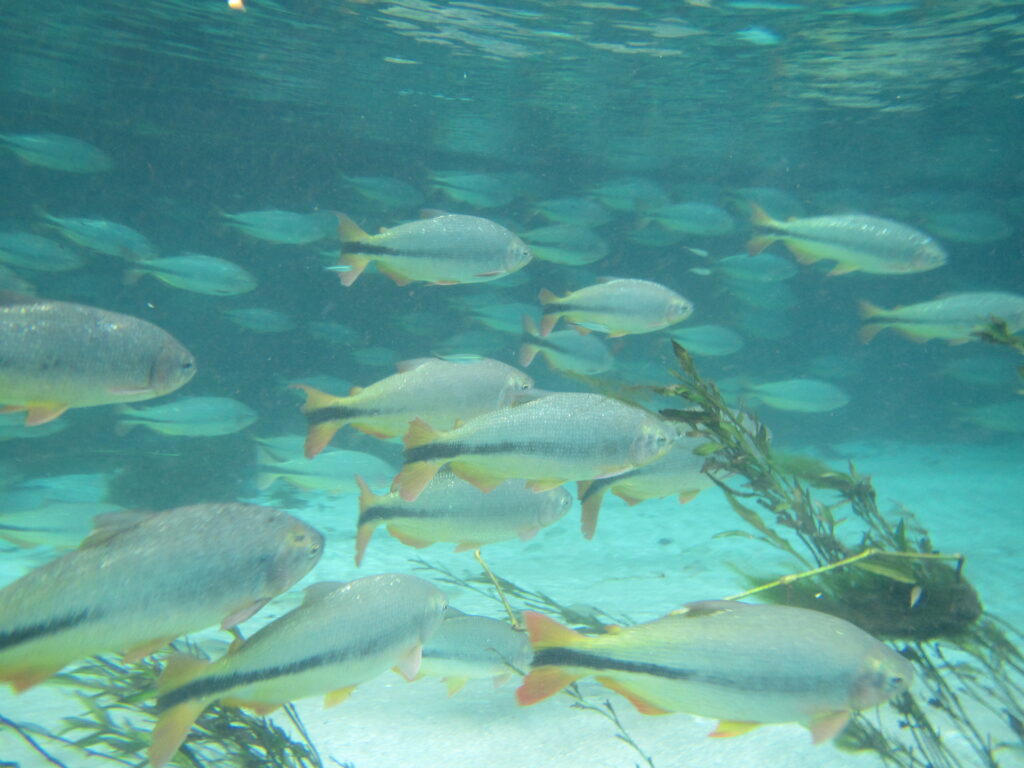
Snorkeling in Bonito is the closest an ecotourist gets to flying: you lie on the water with a mask and snorkel and let the gentle current carry you over underwater gardens, shoals of dourado and springs bubbling blue sand. But with three main rivers, different prices and limited places, choosing wrong is expensive. This guide compares the floats and helps you decide — the prices and the voucher system are explained in the complete Bonito guide.
How a float works
No swimming: the rule is not to move your arms and legs beyond the strictly necessary. You put on a wetsuit (which also keeps you afloat), get a mask and snorkel, practice in an acclimatisation pool and go down the river in a small group with a guide — between 900 m and 2.4 km, and between 1h30 and 3h in the water. Sunscreen and insect repellent are banned (the chemistry poisons the river), and touching the bottom is the cardinal sin: it lifts sediment and destroys the visibility. Children can usually take part from age 5-6, depending on the attraction.
Rio da Prata: the classic for shoals
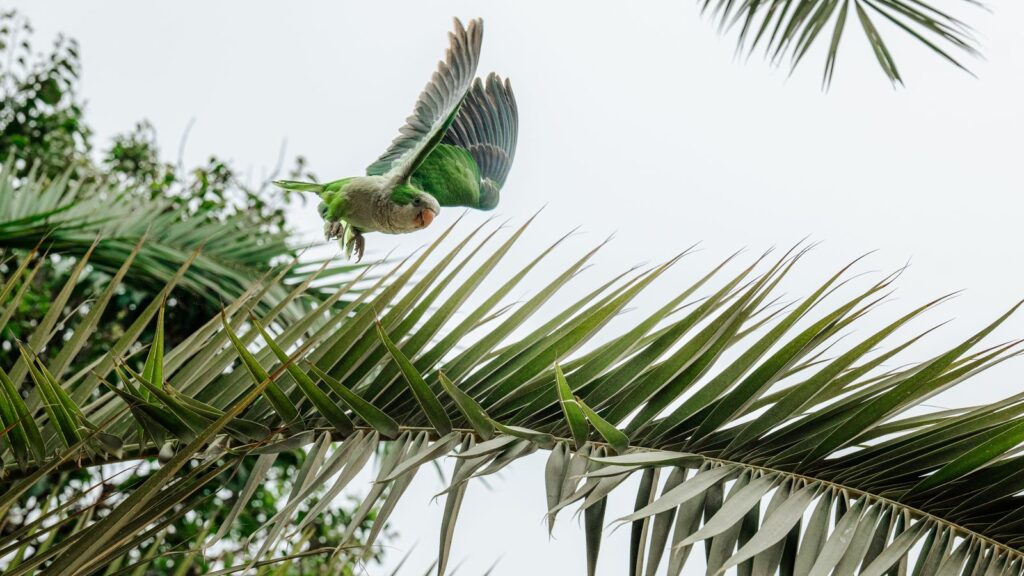
The most famous float in Brazil (~R$ 570, with lunch at the farm) covers 2.4 km from the Rio Olho d’Água to where it meets the Prata. It has the highest density of fish: dourado close to a meter long, piraputanga, curimbatá — an aquarium with no glass. The access trail through the forest still throws in capuchin monkeys and toucans. If you are going to do ONE float in your life, this is it.
Rio Sucuri: the clearest water
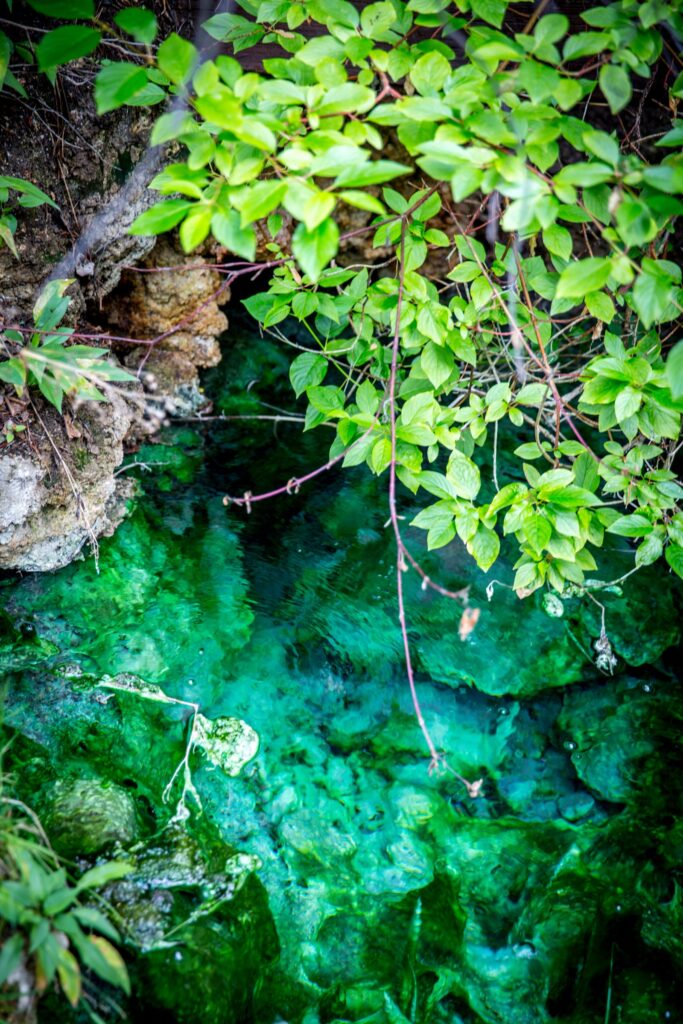
The Sucuri (~R$ 440) has fewer fish than the Prata but wins on transparency — visibility beyond 50 m, in a blue that looks unreal. The spring is a spectacle in itself: a blue eye of water bubbling among aquatic plants. A shorter, calmer route, excellent for anyone who wants contemplation (and photographs) instead of adrenaline.
And the third way: Anhumas, the premium option
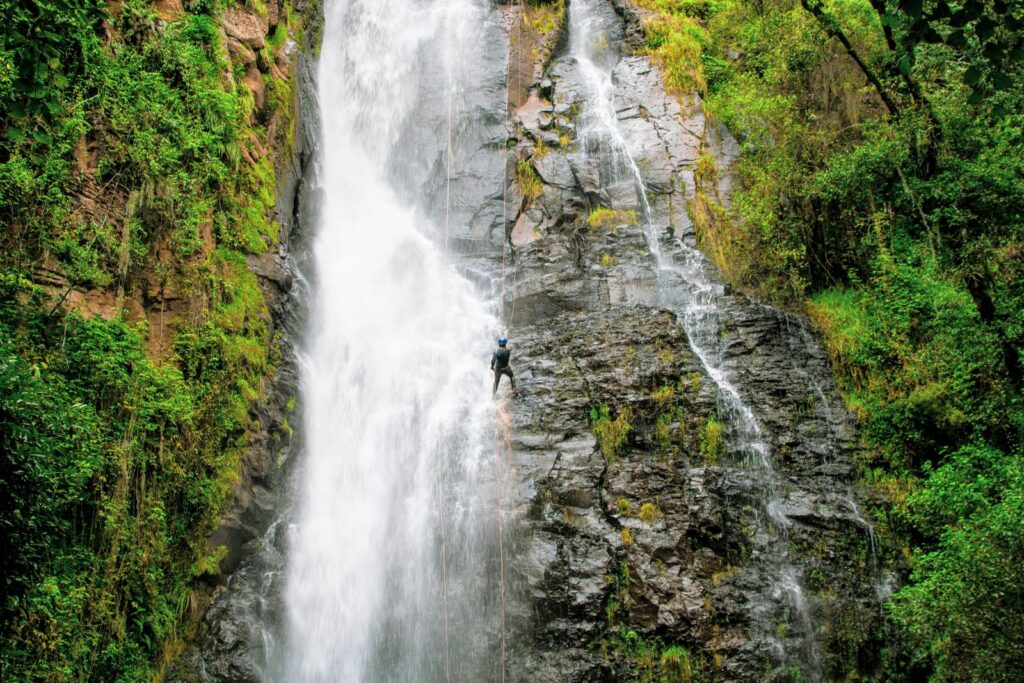
For those who want a story to tell: at the Abismo Anhumas (from ~R$ 800, with a counted number of places per day) you rappel 72 m into a cave and float on an underground lake among giant limestone cones. It requires training the day before and booking well in advance.
Prata or Sucuri? The honest answer
| Criterion | Rio da Prata | Rio Sucuri |
|---|---|---|
| Aquatic life | Unbeatable (huge shoals) | Good, but smaller |
| Transparency | Excellent | The best in Brazil |
| Time in the water | ~2h30 (2.4 km) | ~1h30 (1.8 km) |
| Price 2026 | ~R$ 570 (with lunch) | ~R$ 440 |
| Profile | First time, wildlife lovers | Photographers, contemplative travelers, families |
When the water is at its best
In the dry season (May to September) transparency is at its maximum — August and September are unbeatable. After heavy rain (most common from December to March) the rivers can stay cloudy for a few days; if your trip is short, book the float for the first day and leave room to reschedule. And avoid the classic booking mistakes — we listed them all in common mistakes people make in Bonito.
🥾 Who is it for?
Effort: light — the current does the work and the jacket holds you up; all you do is relax and watch the fish. Children: from age 5-6 on most rivers, with a jacket and instructors alongside. Older travelers and people with reduced mobility: one of the most democratic activities in Brazilian ecotourism — entrances have steps and a support team; tell the agency so they pick the river with the easiest access.
Photo: Jgernhardt, via Wikimedia Commons — CC BY-SA 4.0. Image resized; derivative under the same licence.