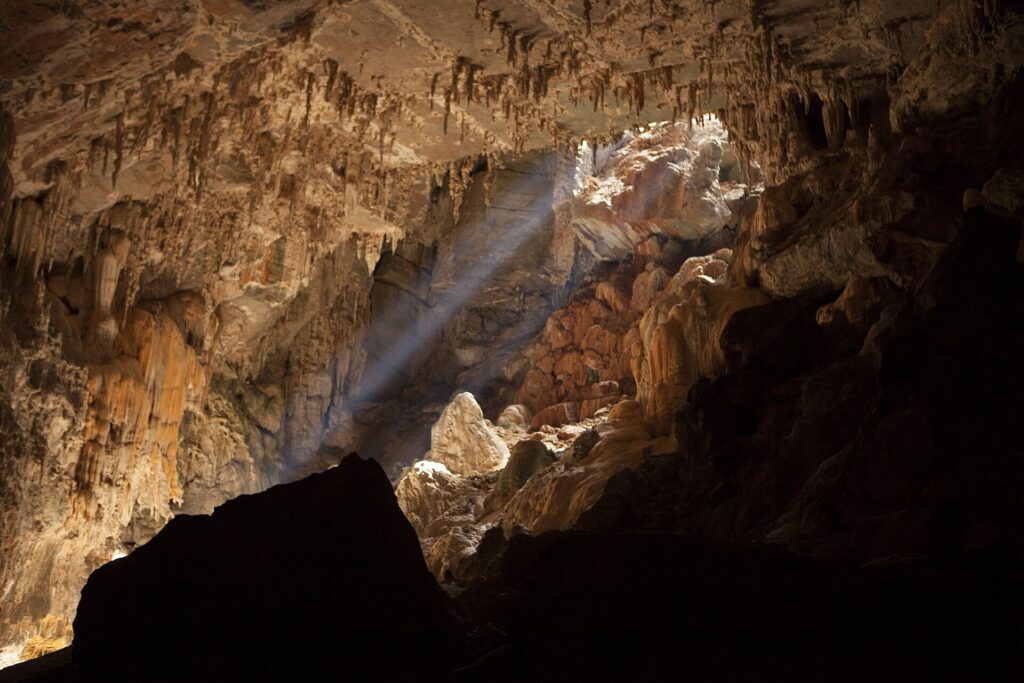
With dozens of mapped caves and only a few days of travel, the question at Terra Ronca is not “what to see” but “what to choose”. This practical ranking orders the park’s main caves by experience and difficulty, so you can build the right sequence — from your caving baptism to the raw through-trip. The general logistics (guides, prices, base) are in the complete Terra Ronca guide.
1. Terra Ronca I — the calling card
The portal, around 90 m high, is one of the largest cave entrances in Brazil — the photograph that sums the park up. Inside, giant chambers and the Rio da Lapa echoing in the dark (that is the “roar” the land is named after). A moderate walk, ideal as a first cave. In August it hosts the traditional pilgrimage of the Goiás Bom Jesus da Lapa: faith and speleology in the same chamber.
2. Angélica — the ornamented jewel
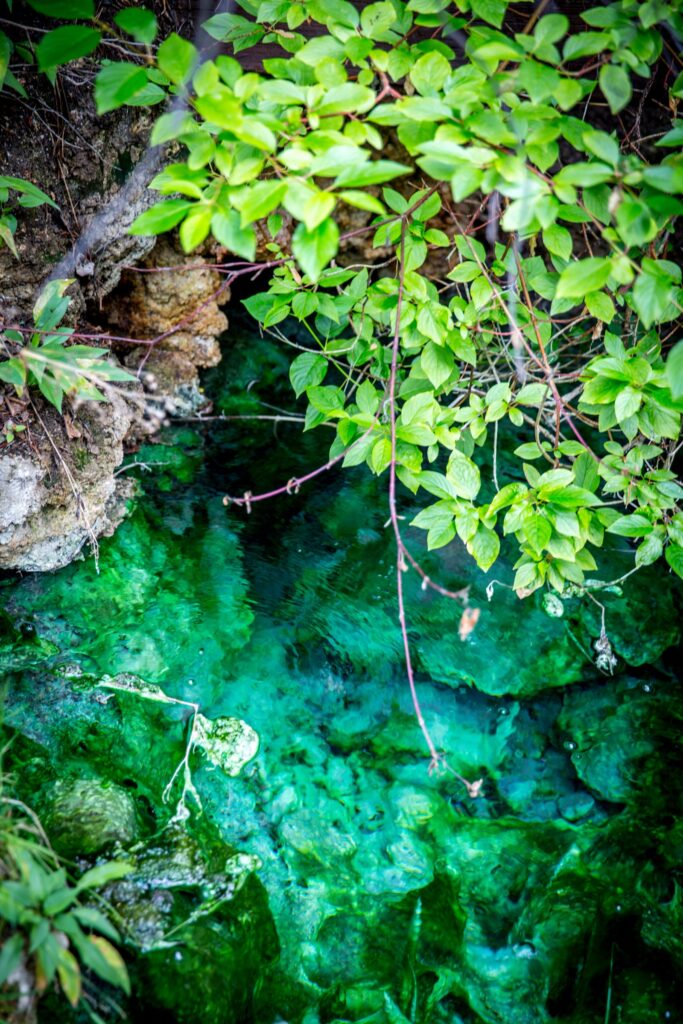
The most beautiful for most visitors: a sequence of chambers decorated with stalactites, columns and calcite curtains, plus stretches of clear river. Half a day of walking, medium physical demand — the perfect balance between effort and reward.
3. São Bernardo — the water adventure
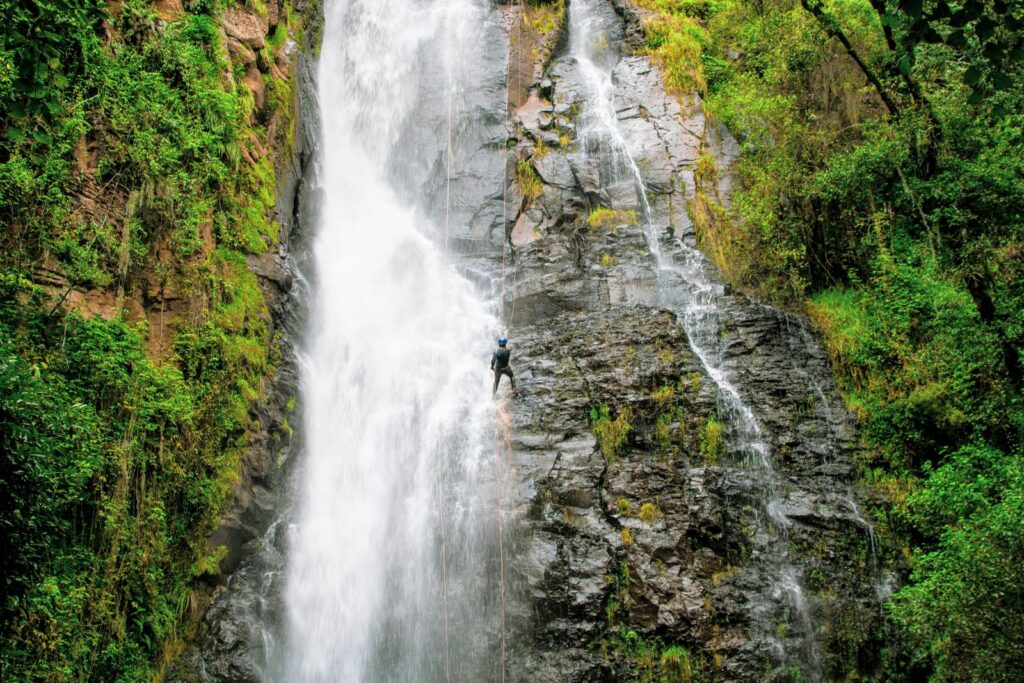
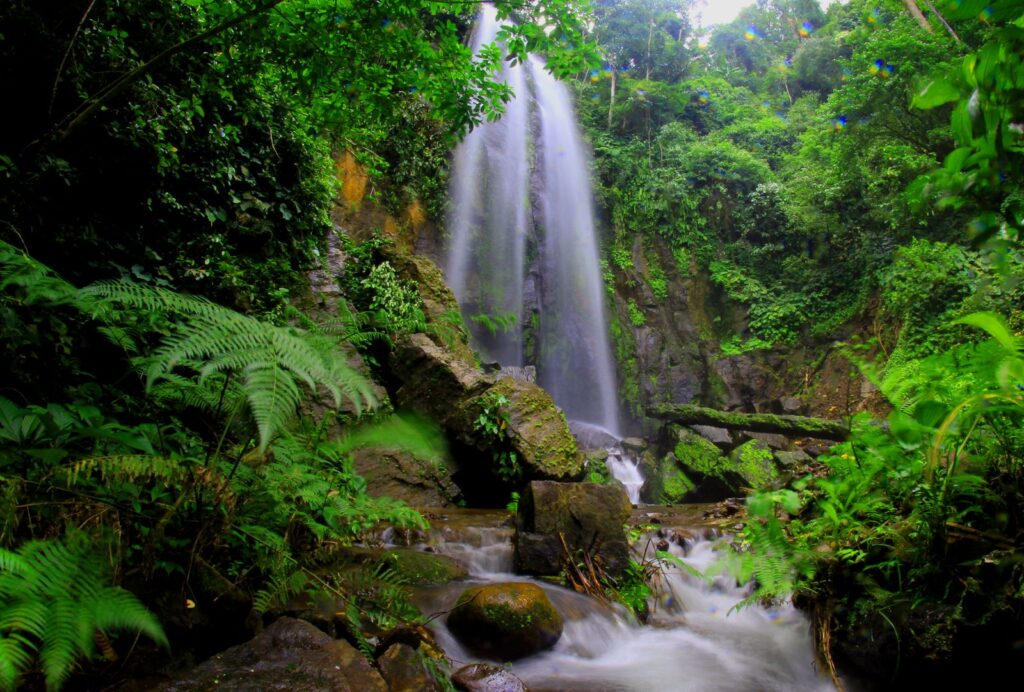
Underground river crossings (be ready to get wet up to the waist), waterfalls inside and drops that ask for stamina. This is the cave for anyone who has already tasted the dark and wants more — the feeling of real exploration.
4. São Mateus — for the strong
Kilometers of galleries, technical stretches and the constant company of the river: São Mateus is the park’s “hard” level, reserved for groups with the fitness and the expedition spirit. Arrange it with your guide well ahead — not every guide does the full route.
How to build your sequence
| Profile | Suggested sequence |
|---|---|
| Weekend (2 days) | Terra Ronca I + Angélica |
| 3 classic days | Terra Ronca I + Angélica + São Bernardo |
| Expedition (4+ days) | All of the above + São Mateus |
Before you go down, check the checklist of what to take caving — down there, forgetting the second flashlight is not an option.
🥾 Who is it for?
Effort: moderate to intense — crossings in water, loose rock and dark stretches alongside your guides. Children: from ages 10-12 with an adventurous streak. Older travelers and people with reduced mobility: not recommended inside the caves; taking in the monumental portals from outside is already worth the trip.