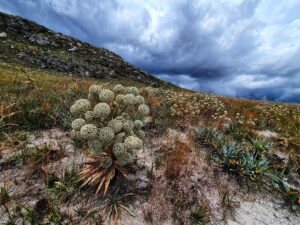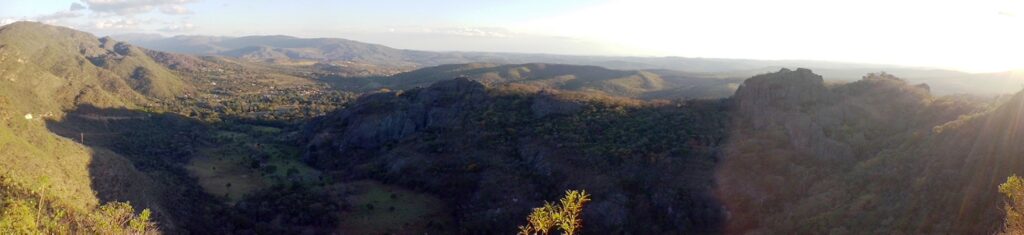
Burle Marx called it the “garden of Brazil” — and the landscape architect knew his subject. The Serra do Cipó, about 100 km from Belo Horizonte, is where the Espinhaço explodes into flowering rocky grasslands, canyons with golden walls and waterfalls in almost unfair quantity. A national park, a charming village and adventure in just the right measure: the complete Minas package.
Getting there and where to stay
From BH, take the MG-010 to the village of Serra do Cipó (a district of Santana do Riacho) — 1h30 to 2h by car, with regular buses for those traveling without a vehicle. The village has guesthouses for every budget, restaurants and agencies; on public holidays, book really far in advance.
National park: the water trails
The main entrance (Portaria Areias) opens the way — on foot or by bike (rented in the village) — to the classics: Cachoeira da Farofa (25 meters, an enormous pool), Cachoeira Grande and the iconic Cânion das Bandeirinhas, with 6 km of rock walls and pools along the way. The distances are flat and long (16-24 km there and back) — a bike transforms the day. Park entry is currently free.
Outside the park
The surroundings hold paid treasures (R$ 15-30): Cachoeira Véu da Noiva on the historic Trilha dos Escravos, the powerful Serra Morena and the family of pools of the Rio Cipó. Further away, Lapinha da Serra — the starting point of the great Lapinha-Tabuleiro trek — and Cachoeira do Tabuleiro itself (273 meters, the 3rd highest in Brazil). We have gathered the best of them in the article on waterfalls and canyons of the Cipó.
Far beyond walking
The Cipó is a hub for sport climbing (500+ routes), rappelling, horse riding and mountain biking — and a botanical sanctuary: the rocky grasslands of the Espinhaço have some of the highest rates of endemic plants in the world, with sempre-vivas, canelas-de-ema and rock orchids flowering all year round. Go slowly and look down as well: the garden is in the detail.
When to go
May to September: dry season, clear water and firm trails. October-November colors the grasslands with flowers; summer fills the waterfalls (and demands attention to flash floods). The sun of the Minas cerrado is strong: hat and sunscreen always.
🥾 Who is it for?
Effort: moderate on the park trails (long but flat — the bike helps); easy at the paid attractions with short access; intense on the treks. Children: the pools in the surroundings from ages 4-5; Farofa/Bandeirinhas from 8-10 (earlier, by bike). Older travelers and reduced mobility: the private waterfalls with short access (Véu da Noiva and the river pools) are the right choice; the park trails are long for those who walk slowly — there is no banana boat, but there is horse riding.