
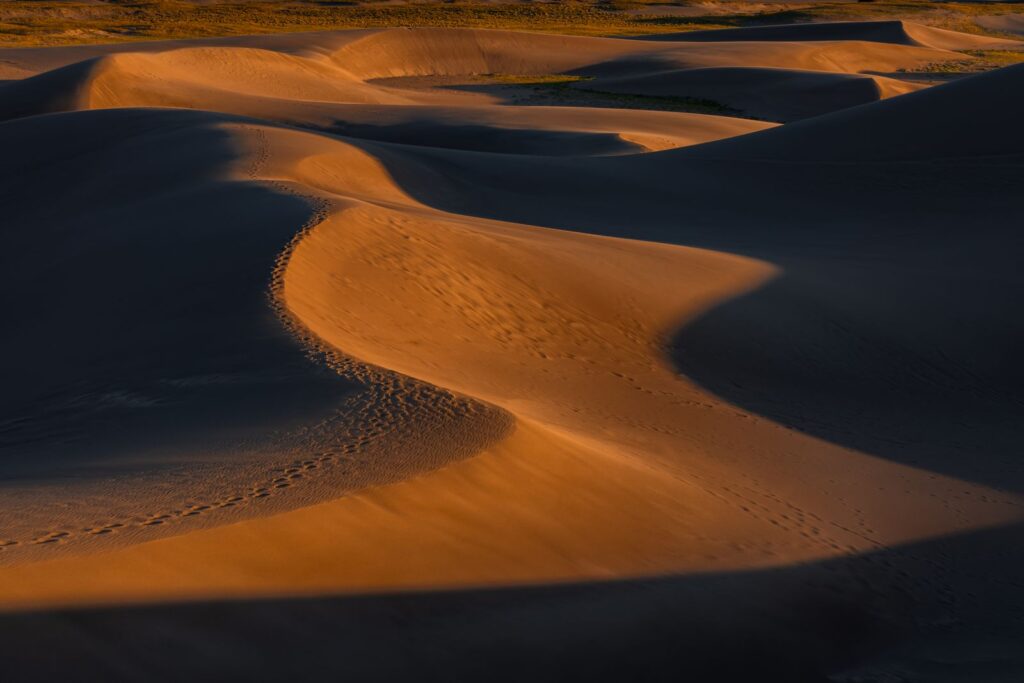
In the heart of the Tocantins cerrado there is a place where golden dunes rise out of the savanna, springs bubble up crystal-clear water in which it is impossible to sink, and powerful waterfalls cut through ridges of impossible colors. Jalapão is central Brazil’s most iconic expedition destination — and this guide gathers the essentials for planning yours.
Where it is and how to get there
The region lies about 300 km from Palmas, the capital of Tocantins, served by dirt and sand roads that demand a 4×4 vehicle. The vast majority of travelers book agency packages including transport, lodging, meals and a guide — prices run between R$ 2,500 and R$ 4,000 for 3- to 7-day itineraries. Going on your own is only advisable if you have real off-road experience.
Fervedouros: the phenomenon that became a symbol
Fervedouros are springs where the water rises with such pressure that your body simply cannot sink — the sensation of floating effortlessly over bright white sand is unique in the world. Bela Vista, Buritis, Rio Sono, Buritizinho and Macaúbas are among the best known; entry costs around R$ 60 per person and bathing time is controlled to preserve the springs. We explain the rules and the best ones in our article on the fervedouros of Jalapão.
Dunes, ridges and waterfalls
The Jalapão Dunes, up to 40 meters tall, are the stage for the most famous sunset in Tocantins, with the Serra do Espírito Santo changing color in the background. Cachoeira da Velha plunges in a horseshoe over the Rio Novo with staggering force, and Cachoeira da Formiga hides a blue-green pool of transparent water. Complete the album with Pedra Furada, a postcard carved in colored layers of rock.
Golden grass and quilombola communities
Jalapão is the land of capim dourado, the golden grass harvested in September from the wet fields and woven by artisans of the quilombola communities into pieces that shine like gold. Visiting villages such as Mumbuca, tasting wood-stove cooking and buying crafts directly from the people who make them is an essential — and deeply moving — part of the trip.
When to go and for how many days
The dry season, from May to September, brings better roads and clearer waters. Set aside at least 3 days; 4 to 6 is ideal to see the main attractions without rushing — distances between them are long. We have laid out a day-by-day plan in our 4-day Jalapão itinerary.
Practical tips
- There are no banks in the region: bring cash and agree an offline payment plan with your agency.
- Strong dust and sun: sunglasses, a scarf, a hat and sunscreen are survival items.
- Mobile signal is rare — warn your family and enjoy the detox.
- Respect the fervedouros’ time slots and visitor limits: that is what keeps them alive.
🥾 Who is it for?
Effort: moderate — it is a 4×4 expedition, but it adds up short trails, dunes and long days on dirt roads. Children: from age 6 (the fervedouros make up for everything); watch the sun. Seniors and reduced mobility: feasible for anyone who travels well by car on rough roads; agencies adapt the pace — the dune climb is the only truly demanding stretch.