In Socorro, the phrase “extreme activity” has gained one more adjective: adapted. Over almost two decades the town’s adventure parks have developed techniques and equipment that put people with practically any disability inside the complete experience — not a diluted version of it. Here is how it works.
The activities and their adaptations
- Adapted rafting — rafts with stabilising seats and adjusted team commands; wheelchair users and people with motor disabilities run the Rio do Peixe in complete safety.
- Adapted zip line — special harness seats with trunk support and assisted take-off; blind participants fly with the instructors narrating (“now the valley opens out on your right…”).
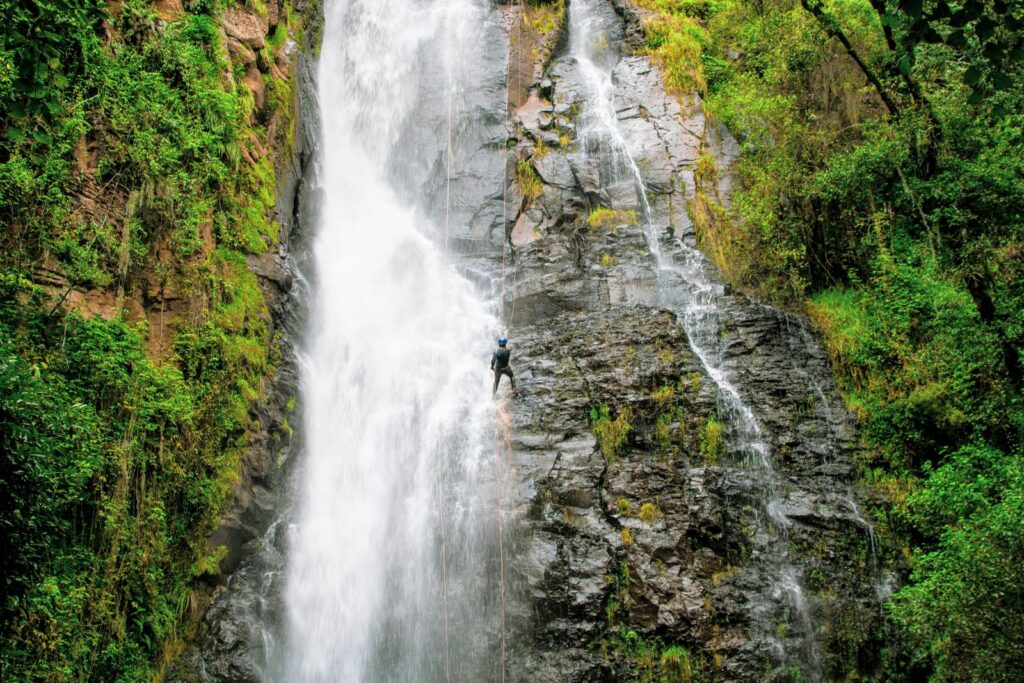
- Tree-top courses and rappelling — circuits with double pulleys, full-body harnesses and instructors alongside.
- River tubing and canoeing — adapted floats and stretches chosen by profile.
- Horse riding — adapted saddles and handlers at each side for assisted balance.
How to plan
Contact the parks (Parque dos Sonhos and its counterparts) in advance, describing the participant’s mobility profile — the teams put together the itinerary, reserve equipment and assign specialist instructors. The town’s farm hotels have adapted rooms, pools and common areas, closing the experience end to end. The prices are the same as for the conventional activities — inclusion with no surcharge is part of the local philosophy.
Why this matters (a great deal)
In Brazil more than 18 million people live with some form of disability — and most have never been genuinely invited into ecotourism. Socorro has proved that the invitation is a matter of engineering and will: when the zip line goes down with an adapted harness seat, the idea that nature has a gate goes down with it. It is the same spirit as our “Who is it for?” box in every article — information and facilities turn “I can’t” into “when?”.
🥾 Who is it for?
For everyone — literally. Effort: adjustable to each profile, from the contemplative to the radical. Children: with and without disabilities, from ages 3-4 depending on the activity. Older travelers and people with disabilities: this destination was built for you — wheelchair users and people who are blind, deaf, intellectually disabled or with reduced mobility find teams and equipment to match. Bring companions, cameras and the willingness to strike a “never” off the list.
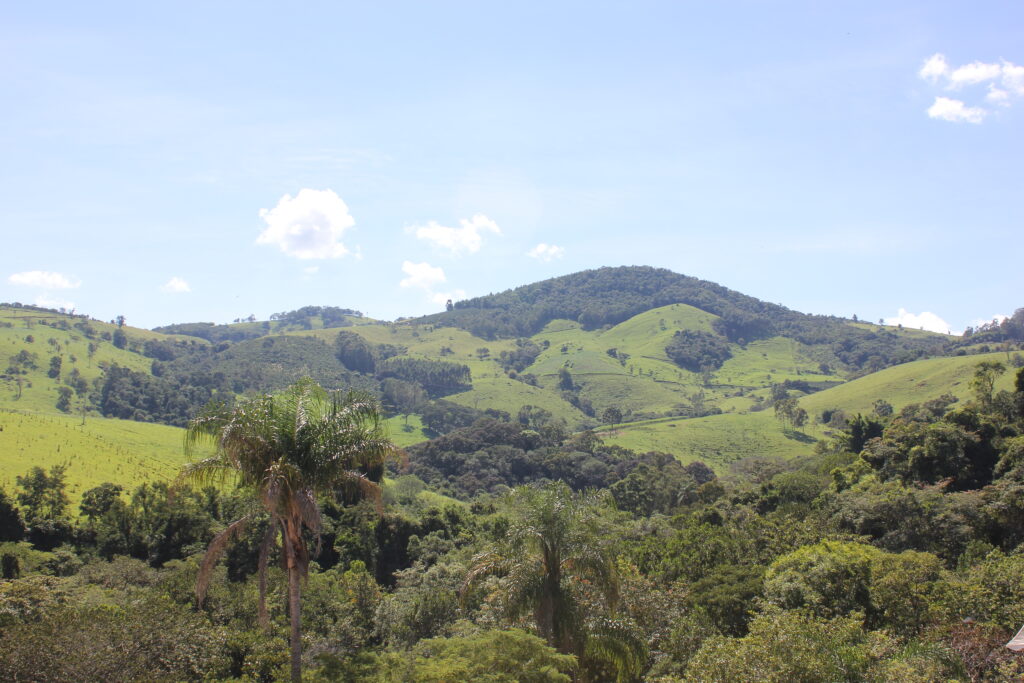
Photo: Priscila Mayumi de Souza, via Wikimedia Commons — CC BY-SA 3.0. Image resized; derivative under the same licence.